Urban Rooftop Gardens: Innovative Solutions for Food Security Challenges
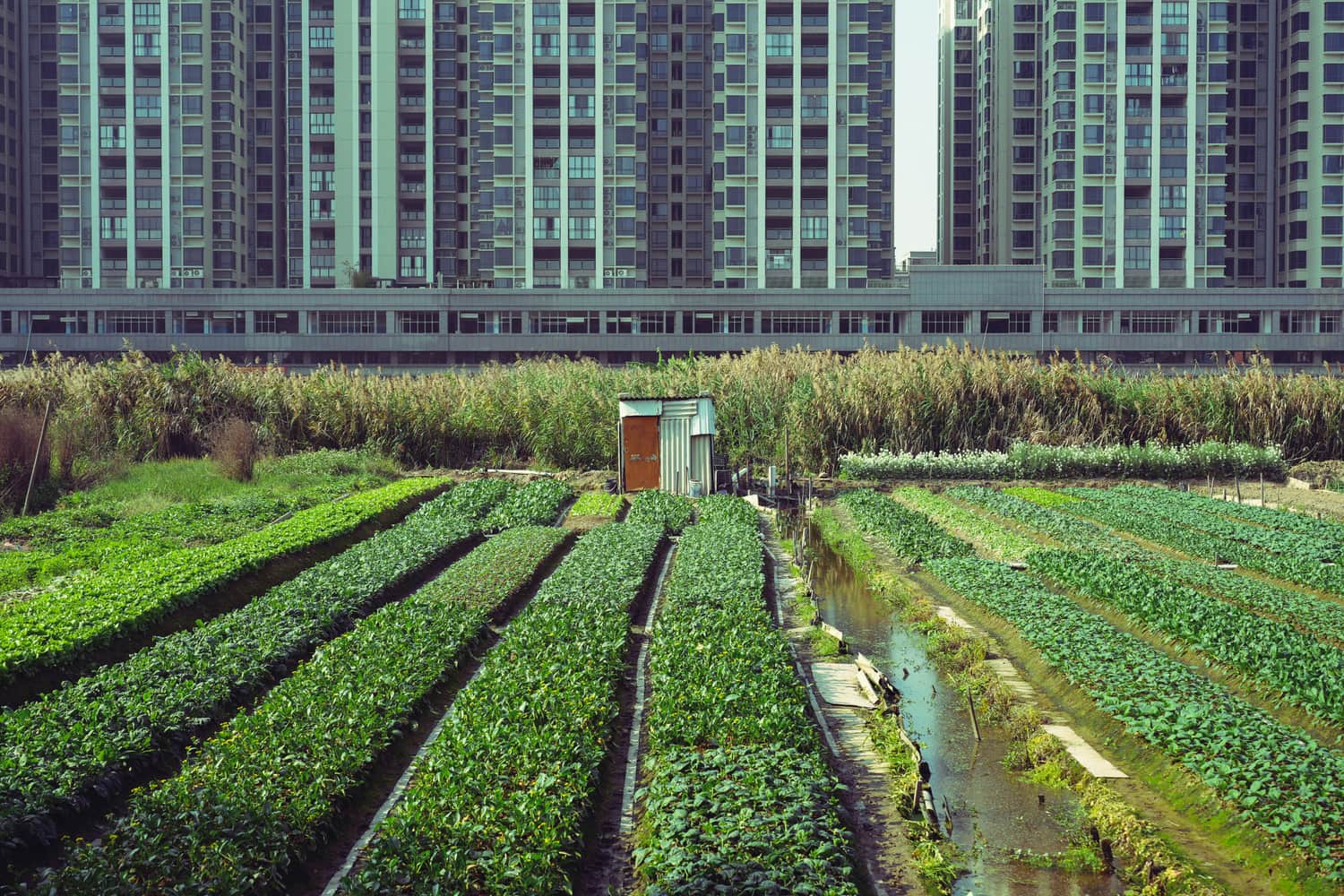
The Rise of Urban Rooftop Gardens
As urban populations swell and climate change challenges traditional agriculture, cities are increasingly looking upward—to their rooftops—for solutions. Rooftop gardens transform underutilized spaces into productive green areas, providing local food, enhancing biodiversity, and contributing to urban resilience.
In cities like New York, Toronto, and Tokyo, urban rooftop gardens are gaining traction as part of a broader movement to integrate nature into the urban fabric. These initiatives are not merely aesthetic; they address serious issues like food security and climate adaptation.
Benefits of Rooftop Gardens
Rooftop gardens offer numerous benefits:
- Increased Food Security: By growing vegetables and fruits locally, cities can reduce dependence on imports and ensure fresher produce.
- Temperature Regulation: Green roofs absorb heat, reducing the urban heat island effect and lowering cooling costs.
- Stormwater Management: Rooftop gardens retain rainwater, reducing runoff and mitigating flood risks.
- Pollution Reduction: Plants capture airborne pollutants and improve air quality.
Environmental Impact
Integrating plants into cityscapes helps sequester carbon dioxide and supports local biodiversity. Rooftop gardens provide habitats for pollinators such as bees and butterflies, crucial for maintaining ecological balance.
Case Studies: Success Stories from Around the World
Brooklyn Grange, New York City
One of the most well-known examples is Brooklyn Grange, which operates over 5 acres of rooftop farms in New York City. These farms produce over 50,000 pounds of organically-grown produce annually. Their model emphasizes community engagement through workshops and tours, fostering a connection between urban residents and their food sources.
The Roof at Pasona HQ, Tokyo
Pasona Group's headquarters in Tokyo showcases a remarkable integration of office space with agriculture. The building features a hydroponic rooftop garden that produces rice and vegetables used in the company cafeteria. This integration serves as a living demonstration of sustainability in the workplace.
Green Roofs for Healthy Cities, Toronto
Toronto has become a leader in green roof adoption, with policies mandating green roofs on new buildings. The city's initiative includes grants to help with initial setup costs, resulting in more than 1.2 million square feet of green roofs by 2023. These efforts highlight how policy support can drive sustainable urban transformation.
Balancing Costs and Long-term Benefits
The initial investment for rooftop gardens can be substantial, involving structural assessments, waterproofing, soil, irrigation systems, and plants. For instance, installing a green roof might cost anywhere from $10 to $25 per square foot. However, these costs can be offset by long-term savings and benefits.
Financial Incentives
Cities and governments may offer incentives such as tax breaks or subsidies for green roofs. In New York City, the Green Roof Tax Abatement Program provides property owners with financial relief to offset installation costs. Such programs can encourage wider adoption by reducing financial barriers.
Return on Investment
Despite the upfront costs, rooftop gardens provide a return on investment through energy savings, increased property value, and potential revenue from selling produce. Energy savings alone can reduce building cooling needs by 25%, leading to significant utility savings over time.
Designing a Successful Rooftop Garden
Planning a rooftop garden requires careful consideration of structural capabilities, climate conditions, and desired plant types. Here are some key steps:
- Structural Assessment: Consult with an engineer to ensure your building can support the additional weight.
- Waterproofing: Proper waterproof membranes prevent leaks and damage to the building structure.
- Irrigation: Efficient watering systems are vital for plant health, especially in dry seasons.
- Plant Selection: Choose plants suited to your local climate; native species often require less maintenance.
Sustainable Practices
Using recycled materials for planters and incorporating rainwater harvesting systems can further enhance the sustainability of rooftop gardens. Composting organic waste on-site reduces waste output while enriching soil fertility.
The Future of Urban Agriculture
Rooftop gardens represent a critical component of urban agriculture's future, addressing both food security and sustainability challenges. As cities grow denser and land becomes scarce, these elevated green spaces will play an increasingly vital role in providing fresh produce and enhancing city environments.
The trend toward greener cities aligns with global goals for sustainable development. By investing in rooftop gardens today, cities lay the groundwork for resilient communities tomorrow.