Redefining Opulence: Artisan Creations Using Sustainable Resources
The Evolution of Luxury Furniture
In recent years, the landscape of luxury furniture has undergone a significant transformation. Gone are the days when opulence was synonymous with extravagance and waste. Today's discerning consumers demand not only exquisite design but also ethical craftsmanship.
As a result, artisans around the globe are turning to sustainable resources, such as reclaimed wood and eco-friendly materials, to create pieces that are both elegant and environmentally conscious.
The Allure of Reclaimed Wood
Reclaimed wood is at the forefront of this movement. Salvaged from old barns, factories, and even derelict ships, these timber pieces carry a rich history and unparalleled character that new wood simply cannot replicate. Each piece tells a story, adding depth and authenticity to furniture creations. For instance, using wood from a century-old barn imbues a dining table with a sense of timelessness, creating an instant conversation starter for any gathering.
Beyond aesthetics, reclaimed wood offers practical benefits. Its aged structure means it's often more stable and less prone to warping than freshly cut timber. Additionally, utilizing reclaimed materials significantly reduces the demand for new logging, which in turn helps preserve vital forest ecosystems.
Practical Steps for Using Reclaimed Wood
- Sourcing: Locate reliable suppliers who specialize in salvaging and selling high-quality reclaimed wood. This ensures that the materials you use are not only authentic but also sustainably sourced.
- Preparation: Properly clean and treat the wood to remove any pests or contaminants. This may involve kiln drying or chemical treatments to ensure longevity.
- Design Integration: Work with designers who appreciate the unique characteristics of reclaimed wood, allowing these imperfections to enhance the final piece rather than hide them.
Eco-Friendly Materials Making Waves
While reclaimed wood stands out for its charm and history, a new wave of eco-friendly materials is gaining traction among artisans. Bamboo, recycled metals, and organic fabrics are just a few of the resources being harnessed to redefine luxury furnishings.
Bamboo: The Renewable Marvel
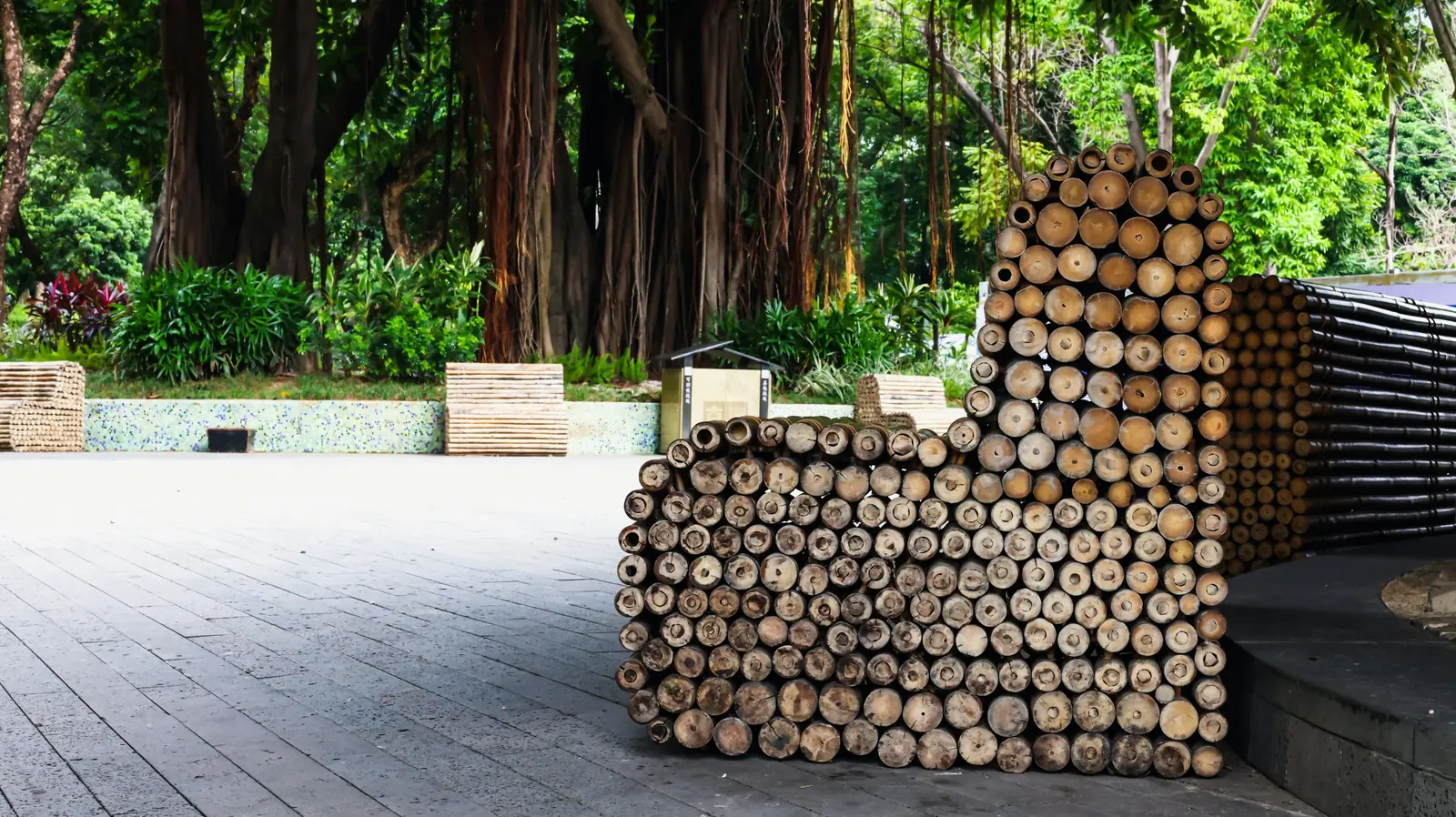
Bamboo is celebrated for its rapid growth and renewability. Unlike traditional hardwoods that can take decades to mature, bamboo reaches full height in just a few years. This fast regeneration rate makes it a champion of sustainable forestry. Furthermore, its natural resilience and strength make it ideal for furniture making.
Artisans are leveraging bamboo's versatility in various forms—from solid furniture structures to woven textiles—demonstrating its adaptability across design styles ranging from modern minimalist to rustic chic.
Recycled Metals: Aesthetic Meets Sustainability
The incorporation of recycled metals in luxury furniture is another stride towards sustainability. Artisans are now forging metal elements from scrap aluminum and steel, transforming what might have been industrial waste into sleek, modern art pieces. These metals can be polished or left raw to fit different aesthetic visions.
The environmental impact of using recycled metals is profound. Recycling aluminum saves up to 95% of the energy required to produce new metal, significantly reducing carbon emissions in the process.
Case Study: The Artisan's Process
One exemplary craftsman embracing this sustainable approach is Luka Iversen, based in Copenhagen. Luka specializes in creating bespoke dining tables using a combination of reclaimed oak and recycled steel.
Luka begins his process by hand-selecting each piece of reclaimed oak for its unique grain patterns and history. Next, he meticulously cleans and prepares the wood before pairing it with steel legs forged from recycled materials. His attention to detail ensures that each table is not only beautiful but also built to last generations.
The Workflow
- Conceptual Design: Initial sketches focus on marrying form and function while highlighting the natural beauty of the chosen materials.
- Material Selection: Luka collaborates with local salvage yards and metal recyclers to source his materials, ensuring minimal environmental footprint.
- Construction: The crafting process includes both traditional woodworking techniques and modern metalworking methods, emphasizing precision and quality.
Challenges in Creating Sustainable Luxury
Despite the growing interest in sustainable luxury furniture, artisans face several challenges in their pursuit of eco-conscious opulence. One significant hurdle is the availability and cost of sustainable materials. While consumer demand for green products is rising, access to high-quality reclaimed or eco-friendly resources can be limited and expensive.
An additional challenge lies in changing consumer perceptions. Luxury buyers often equate value with newness and rarity; thus, educating consumers on the virtues of sustainability is crucial for broad acceptance. Artisans must balance storytelling with product quality to ensure that their pieces are seen as luxury items rather than simply environmentally friendly alternatives.
The Future of Sustainable Luxury Furniture
The trend toward sustainable luxury is more than just a passing phase; it's reshaping the entire furniture industry. As awareness of environmental issues grows, consumers increasingly prioritize products that reflect their values. This shift presents both opportunities and responsibilities for artisans committed to sustainability.
To thrive in this evolving market, craftsmen must continue innovating with materials and techniques while advocating for sustainable practices across the industry. As they do so, they will not only redefine opulence but also contribute meaningfully to a more sustainable future.