Understanding the Ecological Advantages of City-Based Wild Harvesting
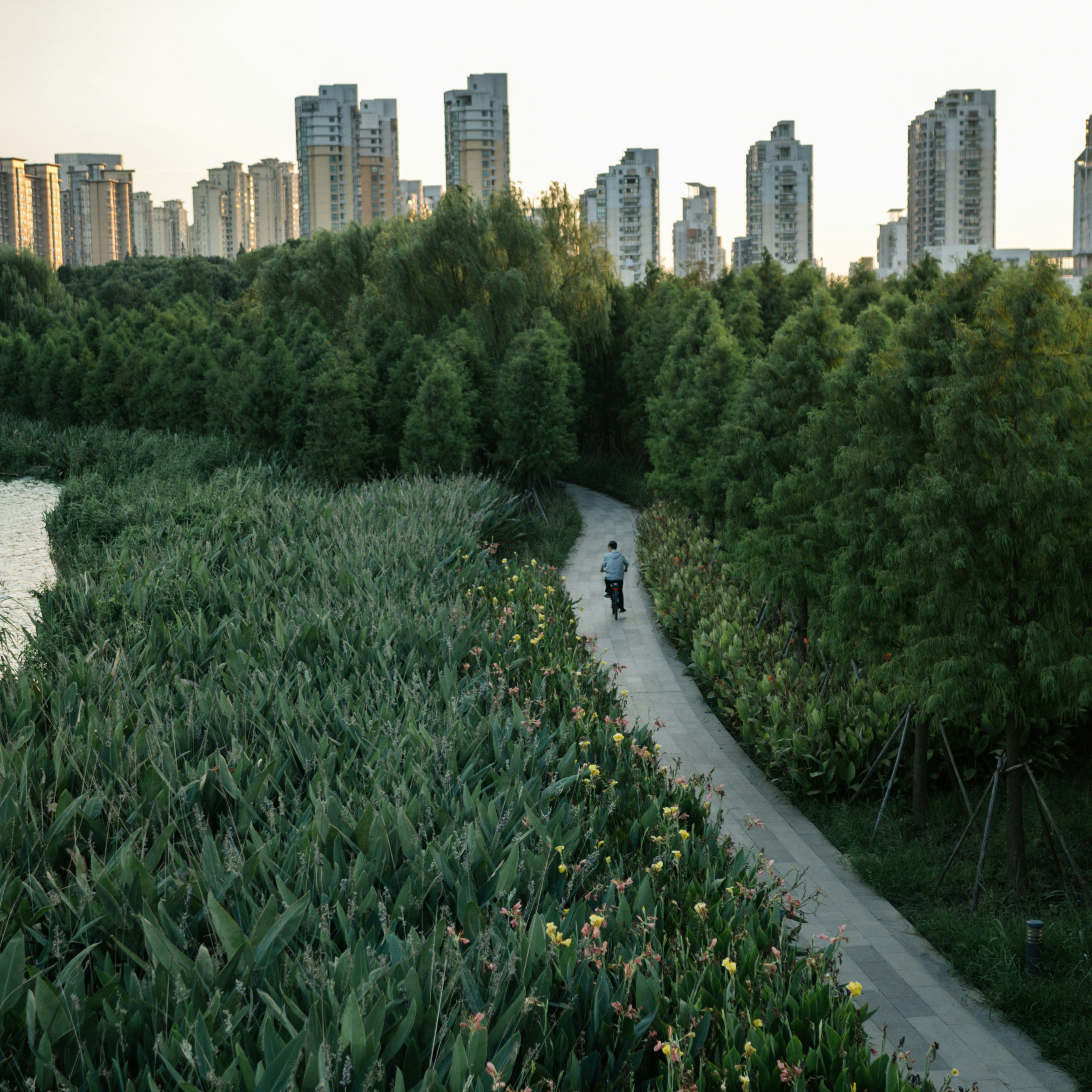
The Rise of Urban Foraging
In recent years, city dwellers have increasingly turned to urban foraging—a practice that involves gathering wild edibles in urban environments. This growing interest is fueled by various factors including a desire for healthier lifestyles, a move towards sustainable living, and a fascination with reconnecting with nature within the urban sprawl.
Urban foraging not only contributes to food security but also enhances ecological awareness and community resilience.
Why Urban Foraging Matters
Urban foraging provides several advantages, particularly in densely populated areas. These benefits include improved access to fresh, nutritious foods, enhanced biodiversity, and increased public green spaces. Furthermore, it encourages citizens to actively engage with their environment, fostering a deeper understanding and appreciation for local ecosystems.
- Food Security: By supplementing food sources with foraged goods, urban foraging can reduce dependency on commercial food systems. This is especially critical in food deserts where access to fresh produce is limited.
- Biodiversity: The practice encourages the conservation and appreciation of local plant species, some of which may be rare or under threat due to urbanization.
- Community Engagement: Foraging can bring people together, as individuals share knowledge about edible plants and locations, thus strengthening community bonds.
The Benefits of Urban Foraging
While urban foraging offers numerous ecological advantages, its implications stretch beyond environmental impact. Here’s how urban foraging can positively affect cities:
Nutritional and Health Benefits
Wild edibles are often more nutrient-dense than commercially farmed produce. Plants like dandelions, nettles, and purslane are rich in vitamins and minerals that can contribute to a healthier diet. Additionally, harvesting wild foods requires physical activity, promoting an active lifestyle.
Cost Savings
Foraging for food in urban areas can significantly cut down grocery bills. This practice allows individuals to acquire fresh produce without financial expenditure, offering a practical solution for low-income households striving for healthier eating habits.
Environmental Impact
By reducing reliance on industrial agriculture and transportation of goods, urban foraging decreases carbon footprints. It promotes local ecosystems' health by preventing overharvesting of any single species and encouraging diverse plant growth.
Risks and Challenges of Urban Foraging
Despite its benefits, urban foraging comes with potential risks that must be managed thoughtfully. Understanding these challenges is crucial to ensure that urban foraging is safe and sustainable.
Pollution and Contamination
Cities are often rife with pollutants, which can contaminate plants. This includes heavy metals from car exhausts or chemical runoffs from buildings. To mitigate risks:
- Avoid foraging near busy roads or industrial areas where pollution levels are higher.
- Wash all collected plants thoroughly to remove surface contaminants.
- Consider testing soil quality when possible, particularly if foraging in one area frequently.
Legal Considerations
The legality of foraging varies by location and often requires navigating complex municipal regulations. Some public parks may allow foraging, while others restrict it to protect plant life or ensure safety. To avoid legal issues:
- Check local regulations before gathering plants in public spaces.
- Seek permission when foraging on private property or consider joining organized urban foraging groups that have established guidelines.
Practical Tips for Safe Urban Foraging
Embarking on an urban foraging journey requires knowledge and preparation. Here are practical steps to ensure your foraging is both safe and fruitful:
Learning Plant Identification
A key skill in foraging is the ability to correctly identify plants. Mistaking a poisonous plant for an edible one can have serious health consequences. Beginners should:
- Invest in a reliable field guide or app designed specifically for local flora identification.
- Join workshops or tours led by experienced foragers who can provide hands-on learning opportunities.
Sustainable Harvesting Practices
Sustainability is central to ethical foraging. Ensure that your practices do not harm the environment or reduce future availability of resources:
- Harvest only what you need, leaving enough for wildlife and other foragers.
- Avoid uprooting plants; instead, snip leaves or flowers to allow plants to regenerate.
Cultivating Awareness and Respect
Beyond collecting food, foraging teaches respect for nature’s cycles and interconnections. Engaging mindfully with the environment enhances this understanding:
- Keep track of seasonal changes and learn how they affect plant availability.
- Respect all aspects of nature encountered during foraging, from insects to soil microbiota.
The Future of Urban Foraging
As our world grapples with climate change and food insecurity, urban foraging presents a promising avenue towards resilience and sustainability. In the future, cities might increasingly incorporate wild landscapes into urban planning. Such integration could create shared spaces where food production and biodiversity thrive alongside human habitation.
Promoting Foraging Education
Expanding educational initiatives around urban foraging will be crucial in nurturing sustainable communities. Schools can incorporate programs that teach students about local plants and responsible harvesting practices.
Supporting Policy Change
A supportive policy framework can encourage urban foraging while protecting ecosystems. Advocacy efforts might focus on:
- Creating 'forage-friendly' zones in city planning documents.
- Implementing protective measures that allow sustainable harvesting while conserving natural habitats.
Conclusion: Cultivating Connection Through Foraging
Urban foraging is more than just a trend—it's a reconnection with nature that redefines our relationship with urban ecosystems. By understanding its ecological advantages and responsibly managing its risks, we foster a sustainable coexistence with our environment, paving the way toward healthier cities and communities.