Understanding the Basics of Successful Home Compost Systems
The Benefits of Home Composting
Home composting is a simple yet highly effective way to manage waste, enrich your garden, and reduce your environmental impact. By converting kitchen scraps and yard waste into nutrient-rich compost, you not only decrease the amount of waste sent to landfills but also improve soil health and promote sustainable gardening practices.
With the right setup and maintenance, a home composting system can be a valuable addition to any household interested in sustainability.
Choosing the Right Compost Container
One of the first steps in setting up a successful home compost system is selecting the appropriate container. There are several options available, each with its own set of benefits and considerations:
- Tumbling Composters: These bins are great for beginners as they are easy to use and require minimal effort to aerate the compost. Simply turn the handle to mix the contents.
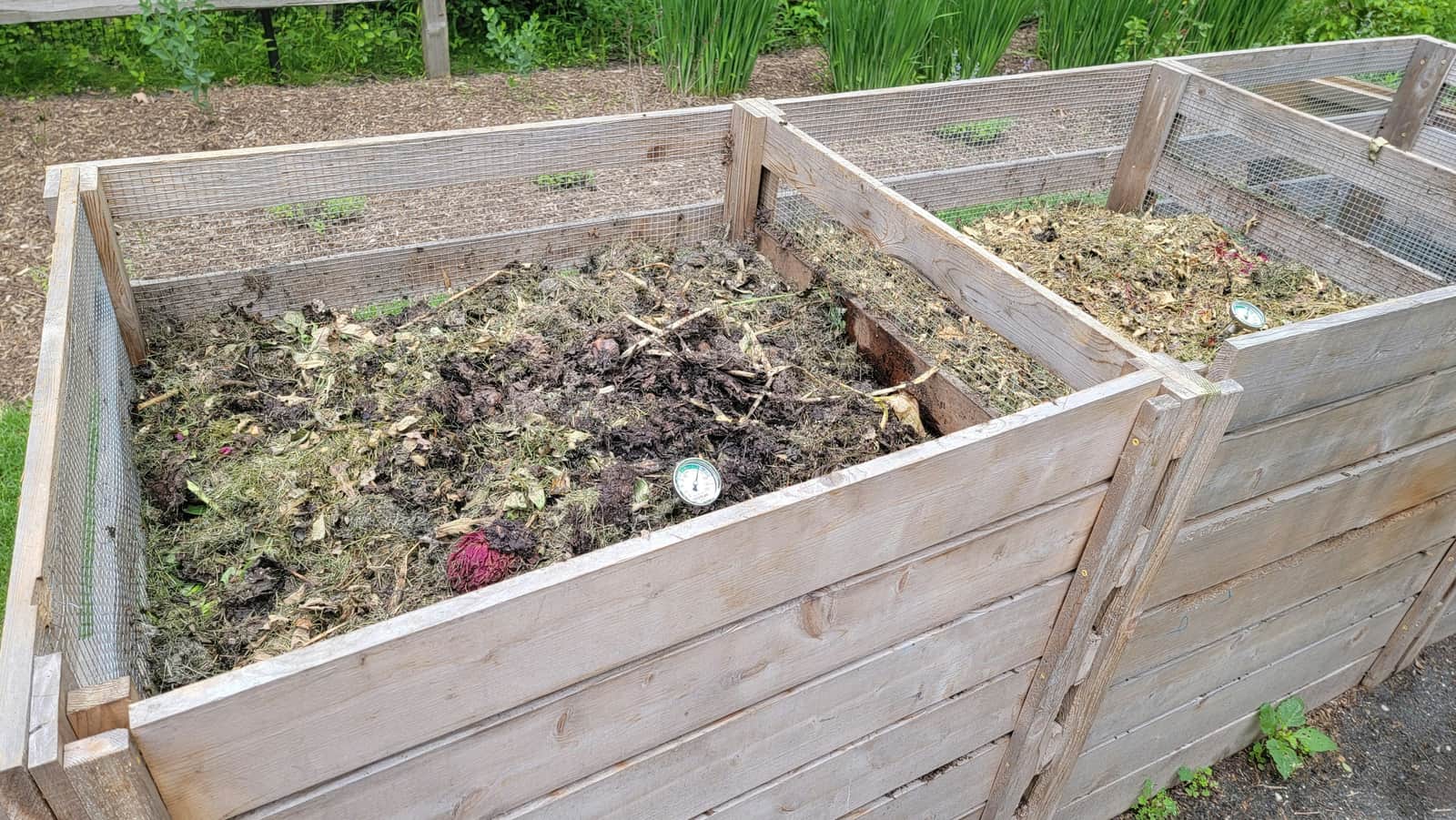
- Stationary Bins: Ideal for larger amounts of waste, stationary bins can be made from plastic or wood. They often have removable lids for easy access.
- DIY Wire Bins: Made from wire mesh or hardware cloth, these bins are inexpensive and customizable, making them a flexible choice for different spaces and waste volumes.
When choosing a container, consider factors such as available space, local climate, and the volume of organic waste your household generates.
Tips for Selecting a Location
Place your compost bin in a convenient yet unobtrusive location. Ideally, it should be close enough to your kitchen for easy access but far enough away to avoid unpleasant odors. Additionally, ensure that the spot receives partial sunlight to maintain an optimal temperature for decomposition.
Maintaining Proper Moisture Levels
Moisture is a critical component of successful composting. The microorganisms responsible for breaking down organic material thrive in damp conditions, similar to that of a wrung-out sponge. Here’s how to maintain ideal moisture levels:
- Regularly Monitor Moisture: Check the moisture level by squeezing a handful of compost. If water drips out, it's too wet. If it crumbles apart, add water until the desired consistency is achieved.
- Add Water Carefully: Use a watering can or hose to evenly distribute water if the compost appears dry. Be careful not to overwater, as this can lead to anaerobic conditions and foul odors.
- Balance Greens and Browns: A good ratio of nitrogen-rich 'greens' (like fruit scraps and grass clippings) to carbon-rich 'browns' (such as dried leaves and cardboard) helps maintain proper moisture levels naturally.
In climates with high rainfall, cover your compost to prevent oversaturation. Conversely, in dry areas, covering can help retain moisture.
Regularly Aerating Your Compost
Aeration is crucial for maintaining aerobic conditions in your compost pile. Oxygen facilitates the breakdown of organic material and prevents odor-causing anaerobic bacteria from taking over.
Methods for Aeration
- Tumbling: If you have a tumbling composter, simply rotate it regularly (once or twice a week) to ensure adequate aeration.
- Turning with a Pitchfork: For stationary bins, use a pitchfork or shovel to turn the pile periodically. This method is effective but requires more physical effort.
- Aeration Tools: Special compost aeration tools are designed to penetrate deep into the pile, turning and aerating efficiently without the need for full-scale turning.
Consistent aeration accelerates decomposition and reduces foul odors, making it an essential practice for successful composting.
Troubleshooting Common Compost Problems
Even with the best intentions, home compost systems can sometimes encounter issues. Here are some common problems and how to address them:
Compost Smells Bad
If your compost emits a foul odor, it is likely too wet or lacking in oxygen. Try adding more carbon-rich materials like dry leaves or shredded paper and ensure proper aeration by turning the pile.
Compost Isn't Breaking Down
This issue often arises from an improper balance of greens and browns or insufficient moisture. Adjust the ratio of materials accordingly and monitor moisture levels closely.
Pests or Rodents in Compost
Avoid adding meat, dairy, or fatty foods that attract pests. Ensure your bin is sealed properly and consider adding a layer of chicken wire underneath if ground access is suspected.
Using Finished Compost
After several months (or longer in colder climates), your compost should transform into dark, crumbly humus with an earthy smell. This finished product is ready to use in various ways:
- Garden Beds: Mix with soil in flower beds or vegetable gardens to improve nutrient content and structure.
- Lawn Top-Dressing: Spread a thin layer over your lawn to enhance soil health and promote growth.
- Potted Plants: Incorporate into potting soil mixes to boost plant vitality.
The rewards of home composting are numerous—from reducing household waste to cultivating healthier plants—making it a worthwhile endeavor for anyone interested in sustainability.