Benefits and Challenges of Circular Economy Approaches to Combat Urban Plastics
The Promise of Circular Economy in Urban Settings
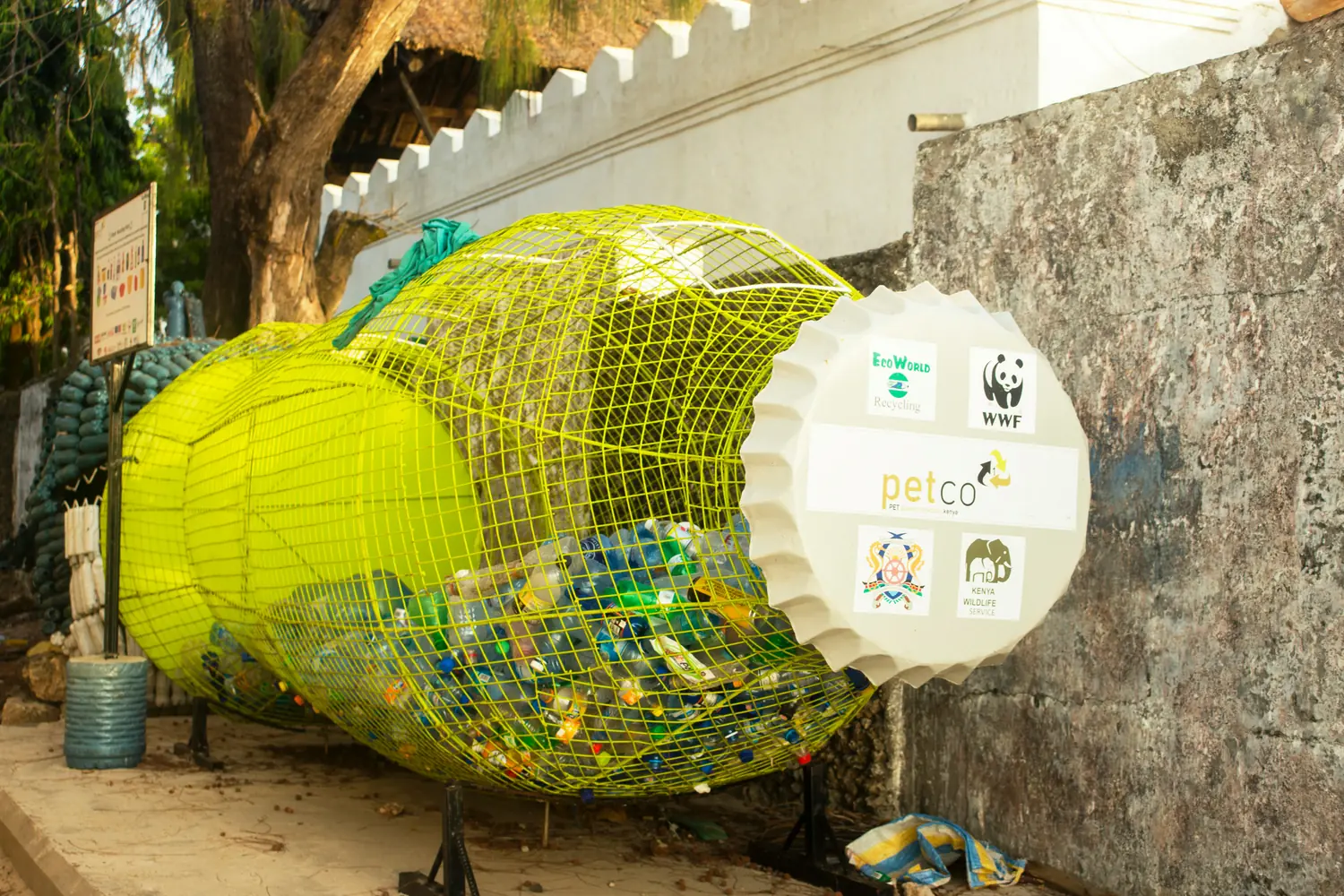
In recent years, the concept of a circular economy has gained significant traction as a sustainable alternative to the traditional linear economic model. Particularly in urban areas where plastic waste is abundant, municipalities are increasingly adopting circular economy principles to mitigate environmental impacts and optimize resource efficiency.
Understanding Circular Economy Principles
The core idea of a circular economy is to keep resources in use for as long as possible, extract the maximum value from them whilst in use, then recover and regenerate products and materials at the end of their service life. This stands in stark contrast to the 'take-make-dispose' linear model that has contributed significantly to environmental degradation.
Case Studies: Successful Initiatives
Amsterdam's Plastic Recycling Revolution
Amsterdam is at the forefront of implementing circular economy strategies to combat urban plastics. The city's Plastic Smart City initiative promotes the reduction and recycling of plastic waste through innovative technologies. By deploying advanced sorting systems and engaging local businesses in closed-loop recycling, Amsterdam has seen a 40% reduction in plastic waste over five years.
One key element of Amsterdam's strategy is the implementation of reverse vending machines across the city. Residents can deposit plastic bottles into these machines and receive a small financial incentive, encouraging widespread participation in recycling efforts.
San Francisco: A Model for Zero Waste
San Francisco has been a pioneer in pursuing zero waste goals, aiming to divert 100% of waste from landfills by 2025. The city utilizes robust educational campaigns to inform residents about recycling practices and employs strict policies banning certain single-use plastics.
The city's commitment extends to supporting local businesses in transitioning to sustainable packaging solutions, reducing plastic pollution at its source. San Francisco's comprehensive approach has led to an impressive diversion rate of 80% as of 2022.
The Economic and Environmental Benefits
Economic Resilience
Adopting circular economy models offers several economic benefits, particularly by fostering innovation and creating new business opportunities. For instance, the rise of recycling startups and eco-design companies in cities like Amsterdam and San Francisco demonstrates the potential for economic growth driven by sustainability initiatives.
- Job Creation: The circular economy supports job creation in sectors such as recycling, remanufacturing, and sustainable design.
- Cost Savings: Reducing waste leads to lower disposal costs and improves resource efficiency.
Environmental Impact
The environmental benefits of circular economy initiatives are substantial, including reductions in greenhouse gas emissions and conservation of natural resources. By minimizing plastic waste, cities reduce pollution in waterways and landfills, contributing to healthier ecosystems.
Challenges in Implementation
Behavioral Barriers
A significant challenge in transitioning to a circular economy is changing consumer behavior. Many individuals are accustomed to convenience-driven consumption patterns, making it challenging to encourage widespread adoption of sustainable practices.
To overcome these barriers, municipalities must invest in extensive public education campaigns highlighting the importance of sustainable consumption and proper waste segregation.
Infrastructure Limitations
The existing infrastructure in many cities is not equipped to support the logistics required for effective circular systems. Investment in advanced sorting facilities and efficient collection systems is crucial for handling increased volumes of recyclable materials.
Cities like Amsterdam have demonstrated success by incorporating smart technologies into their recycling infrastructure, offering a roadmap for others aiming to enhance their capabilities.
A Practical Checklist for Municipalities
- Engage Stakeholders: Collaborate with local businesses, NGOs, and residents to ensure community-wide buy-in and participation.
- Invest in Education: Develop comprehensive educational programs that emphasize the benefits of reducing, reusing, and recycling plastics.
- Build Infrastructure: Prioritize investments in recycling and waste management infrastructure capable of supporting circular activities.
- Encourage Innovation: Foster an environment that supports startups and businesses focusing on sustainable solutions.
Municipalities must balance economic goals with environmental stewardship by adopting tailored approaches that reflect local needs and capabilities. As demonstrated by cities like Amsterdam and San Francisco, when executed effectively, circular economy strategies can significantly mitigate urban plastic pollution while providing substantial economic benefits.