Traditional vs. At-Home Workouts: Making Informed Choices for Your Health
The Landscape of Fitness Options
In recent years, the fitness industry has evolved dramatically, offering diverse options to cater to different lifestyles and preferences. Among these options, traditional gym workouts and at-home fitness programs are two prevalent choices, each with unique benefits and challenges.
Understanding Traditional Gym Workouts
Traditional gym workouts have long been associated with structured environments, specialized equipment, and professional guidance. They offer a controlled setting where individuals can focus on various fitness goals, from weight loss to strength building.
Benefits of Gym Workouts
- Access to Equipment: Gyms provide access to a wide range of machines and free weights that can enhance workout effectiveness.
- Professional Guidance: Personal trainers and fitness classes offer expert advice and motivation.
- Community Environment: Gyms foster a sense of community, providing opportunities to meet like-minded individuals.
Drawbacks of Gym Workouts
- Cost: Gym memberships can be expensive, particularly for facilities with extensive amenities.
- Time Constraints: Travel time to and from the gym can be a barrier for those with busy schedules.
- Overcrowding: Popular gyms can become overcrowded, limiting access to equipment during peak hours.
The Rise of At-Home Workouts
With the advent of technology and an increasing focus on convenience, at-home workouts have gained popularity. These workouts can be customized to fit individual needs and schedules, making them an attractive option for many.
Benefits of At-Home Workouts
- Flexibility: At-home workouts allow for flexible scheduling, making it easier to fit exercise into a busy day.
- Cost-Effective: Eliminating gym membership fees makes this option more affordable.
- Privacy: Working out at home provides a private setting, reducing potential self-consciousness.
Drawbacks of At-Home Workouts
- Lack of Equipment: Limited access to equipment can restrict the variety and intensity of workouts.
- Motivation Challenges: Without the social aspect of a gym, staying motivated can be difficult.
- Space Limitations: Not all homes have adequate space for a comprehensive workout setup.
Assessing Your Fitness Goals
The choice between traditional and at-home workouts often hinges on personal fitness goals. Are you aiming to build muscle mass, improve cardiovascular health, or increase flexibility? Each environment offers unique advantages tailored to specific goals.
For Muscle Building
If muscle building is your primary objective, a gym may offer more resources such as resistance machines and heavier weights. However, you can also achieve substantial gains at home with adjustable dumbbells and bodyweight exercises like push-ups and pull-ups.
For Cardio and Weight Loss
Cardiovascular health improvements can be pursued effectively in both settings. Treadmills, stationary bikes, and classes like spin are prevalent in gyms, while running outside or following online HIIT (High-Intensity Interval Training) sessions provide alternatives at home.
Navigating Motivation and Accountability
A significant factor in maintaining a regular workout routine is motivation. Traditional gyms offer scheduled classes and personal trainers who provide accountability. In contrast, at-home workouts require self-discipline and innovative ways to stay engaged.
Building a Home Fitness Routine
To create an effective at-home fitness routine, consider the following framework:
- Create a Dedicated Space: Designate an area in your home exclusively for workouts.
- Set Clear Goals: Define what you want to achieve with your fitness program. This clarity will guide your workout selection and progress tracking.
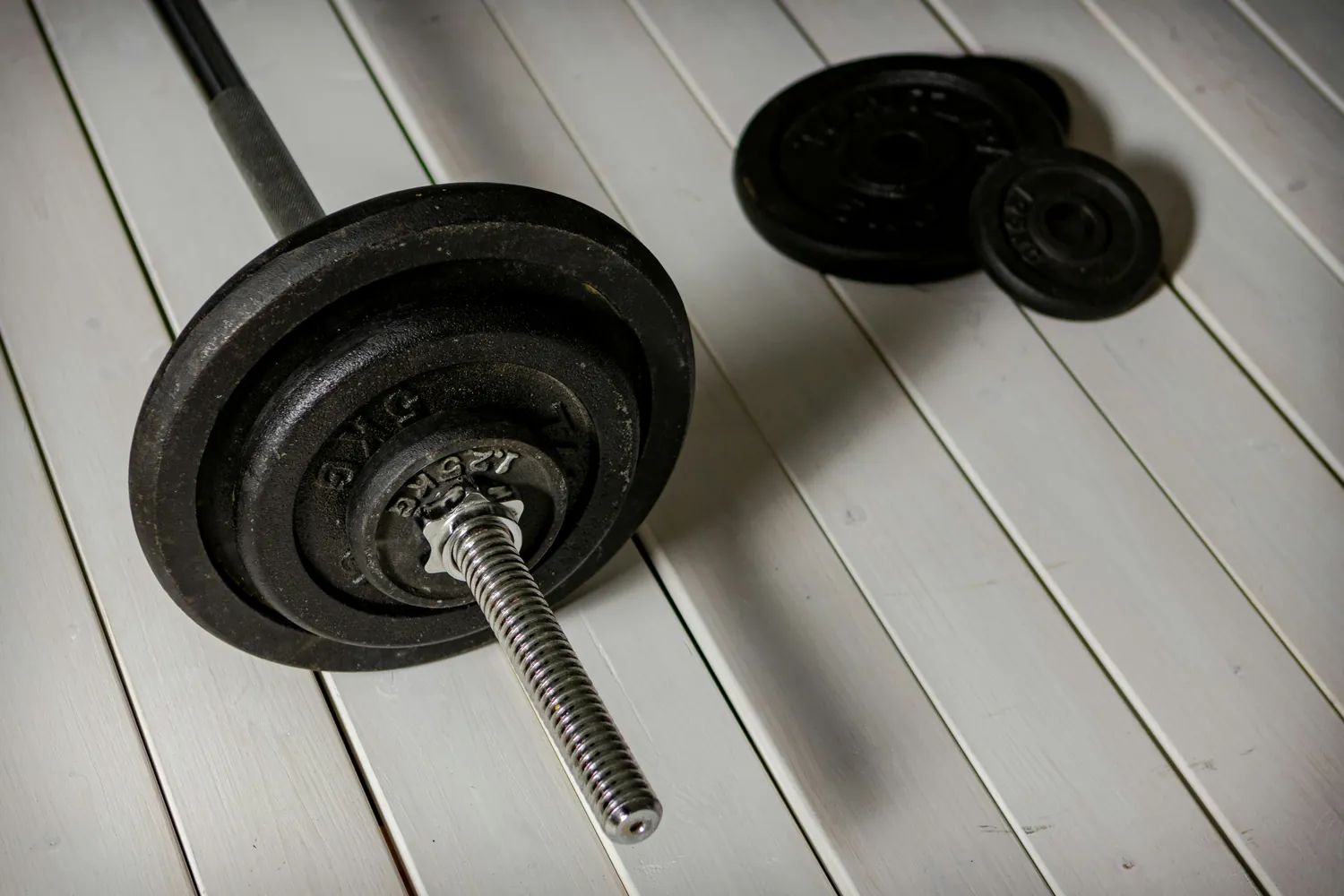
- Select the Right Tools: Invest in basic equipment like resistance bands, a yoga mat, or adjustable dumbbells to enhance your workouts.
- Use Technology: Leverage apps and online platforms for guided workouts and tracking progress.
A Mini-Framework for Choosing Between Options
This simple framework will help you decide between traditional gym workouts and at-home routines based on personal preferences and circumstances:
- Evaluate Your Goals: Determine if your primary focus is strength training, cardiovascular health, flexibility, or a combination of these.
- Consider Your Schedule: Assess how much time you can realistically dedicate to exercise and choose an option that aligns with your availability.
- Budget Analysis: Weigh the financial implications of gym memberships versus setting up a home gym.
- Motivation Style: Reflect on whether you thrive on social interaction or prefer solitude when working out.
This framework aims to align your fitness approach with personal lifestyle choices, enhancing consistency and satisfaction with your routine.
The Verdict: Which Is Better?
The 'better' choice ultimately depends on individual preferences, goals, and circumstances. Traditional gyms excel in providing structured environments with a wide range of equipment, making them ideal for those who benefit from community support and professional guidance. On the other hand, at-home workouts offer unmatched flexibility and cost-effectiveness, appealing to those who value convenience and privacy.
Your decision should reflect not just immediate needs but also how it fits into your long-term wellness vision. Remember that both options are valid pathways to achieving a healthier lifestyle; the key is selecting the one that you will consistently engage with over time.