Personalized Learning Outcomes: Implementing AI Technologies in Education Settings
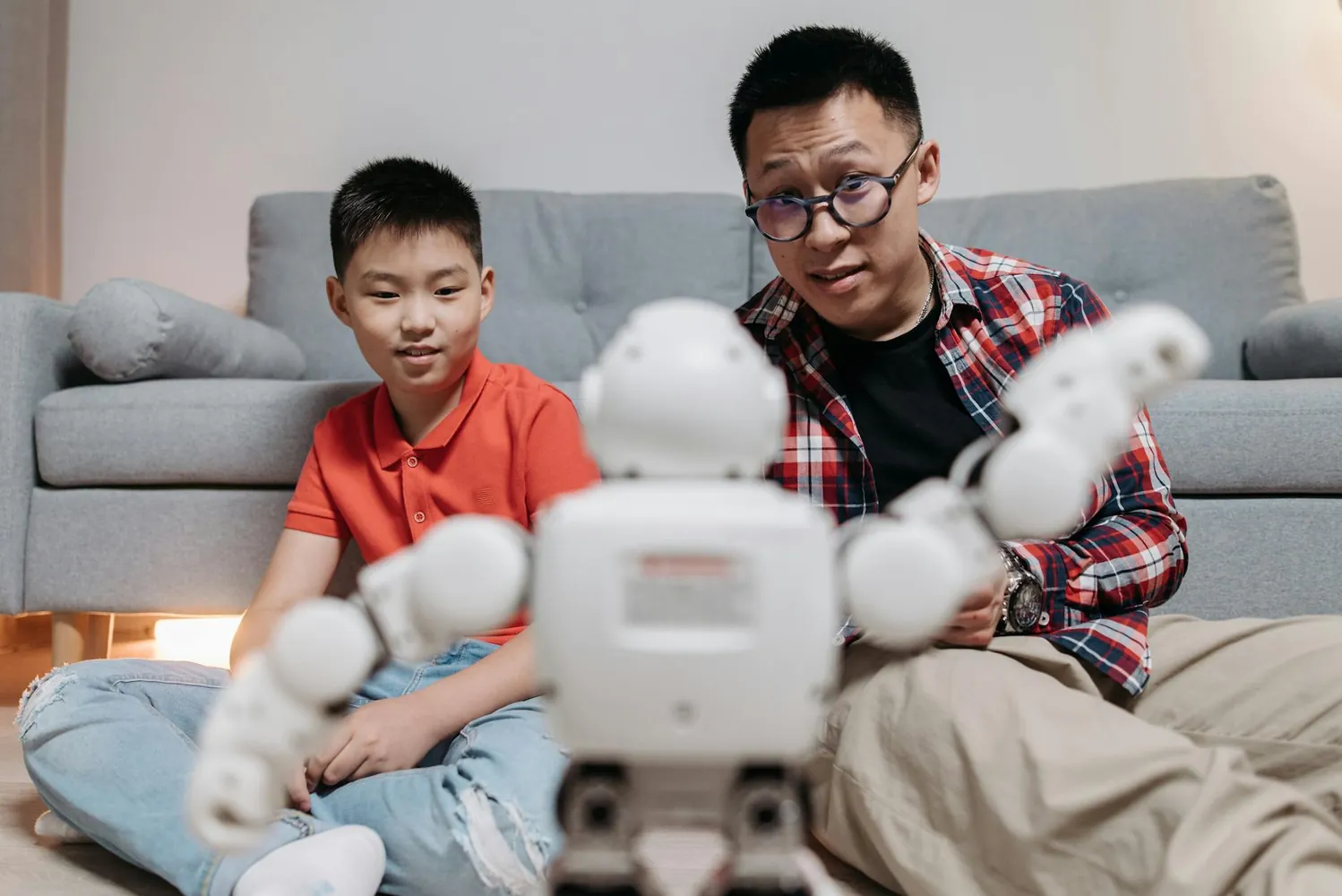
Understanding the Role of AI in Personalized Learning
The concept of personalized learning has gained significant traction in the educational landscape, offering tailored educational experiences to meet individual students' needs. Artificial Intelligence (AI) plays a crucial role in enabling such personalized experiences by analyzing vast amounts of data and delivering insights that teachers can use to adjust their teaching strategies.
Why Personalization Matters
Traditional education models often treat students as a homogeneous group, ignoring individual learning styles and paces. Personalized learning, on the other hand, recognizes these differences and leverages AI to adapt content accordingly. This approach not only increases engagement but also improves retention rates.
- Adaptability: AI-driven tools can adjust curriculum pacing and difficulty based on student performance.
- Engagement: Tailored content keeps students interested, addressing unique strengths and weaknesses.
Steps to Integrate AI in Educational Settings
Implementing AI in education requires careful planning and execution. Here is a step-by-step guide to help educational institutions adopt AI technologies effectively:
1. Assessing Needs and Objectives
Start by defining the specific needs of your institution. Are you looking to enhance learning outcomes, reduce dropout rates, or provide additional support to struggling students? Clear objectives will guide the choice of AI tools.
2. Selecting the Right AI Tools
Once objectives are clear, research AI tools that fit your institution's needs. Consider factors like scalability, cost, and ease of integration with existing systems.
- Knewton: Known for its adaptive learning platform that customizes educational content.
- Century Tech: Offers an AI-powered platform for schools that provides real-time insights into student progress.
3. Training and Development
Training educators on how to use AI tools is critical. Workshops and ongoing professional development ensure that teachers are equipped to maximize these technologies' benefits.
4. Pilot Programs
Implement pilot programs to test the chosen AI solutions before a full-scale rollout. Collect data on user experiences and academic outcomes to inform adjustments.
User Feedback Loops for Continuous Improvement
Feedback loops are essential in refining AI tools and ensuring they meet educational needs effectively. Here's how to establish productive feedback mechanisms:
Encouraging Student and Teacher Feedback
Create channels through which students and teachers can provide regular feedback on AI tools. This could include surveys, focus groups, or digital platforms for comments and suggestions.
Analyzing Feedback Data
Utilize AI analytics to process feedback data efficiently. This analysis should inform software updates or pedagogical changes needed to improve the learning experience.
- Example: A school district implemented an AI tool to track reading progress. Feedback revealed that the tool struggled with multilingual students, prompting updates that improved language processing capabilities.
Case Study: Success Stories in AI Integration
Real-world examples highlight the potential impact of AI in education:
Los Altos School District
The Los Altos School District in California introduced a blended learning program using Khan Academy's AI-powered platform. The initiative focused on middle school math students who were falling behind. By providing personalized learning paths, they observed a significant improvement in math proficiency scores.
Bryan Collegiate High School
Bryan Collegiate High School integrated IBM's Watson Tutor to assist students with advanced placement coursework. Watson provided personalized study guides based on individual learning styles, resulting in higher test scores and improved student confidence.
The Future of AI in Education
The role of AI in education continues to evolve, with future developments likely to further personalize learning experiences. Technologies such as Natural Language Processing (NLP) and Machine Learning (ML) will enhance educators' ability to provide support precisely when and where it's needed most.
By continuing to refine these tools and integrating them thoughtfully into educational systems, institutions can ensure they meet the diverse needs of their students, preparing them more effectively for future challenges.