A Deep Dive into AI Applications for Optimizing Solar Panel Efficiency
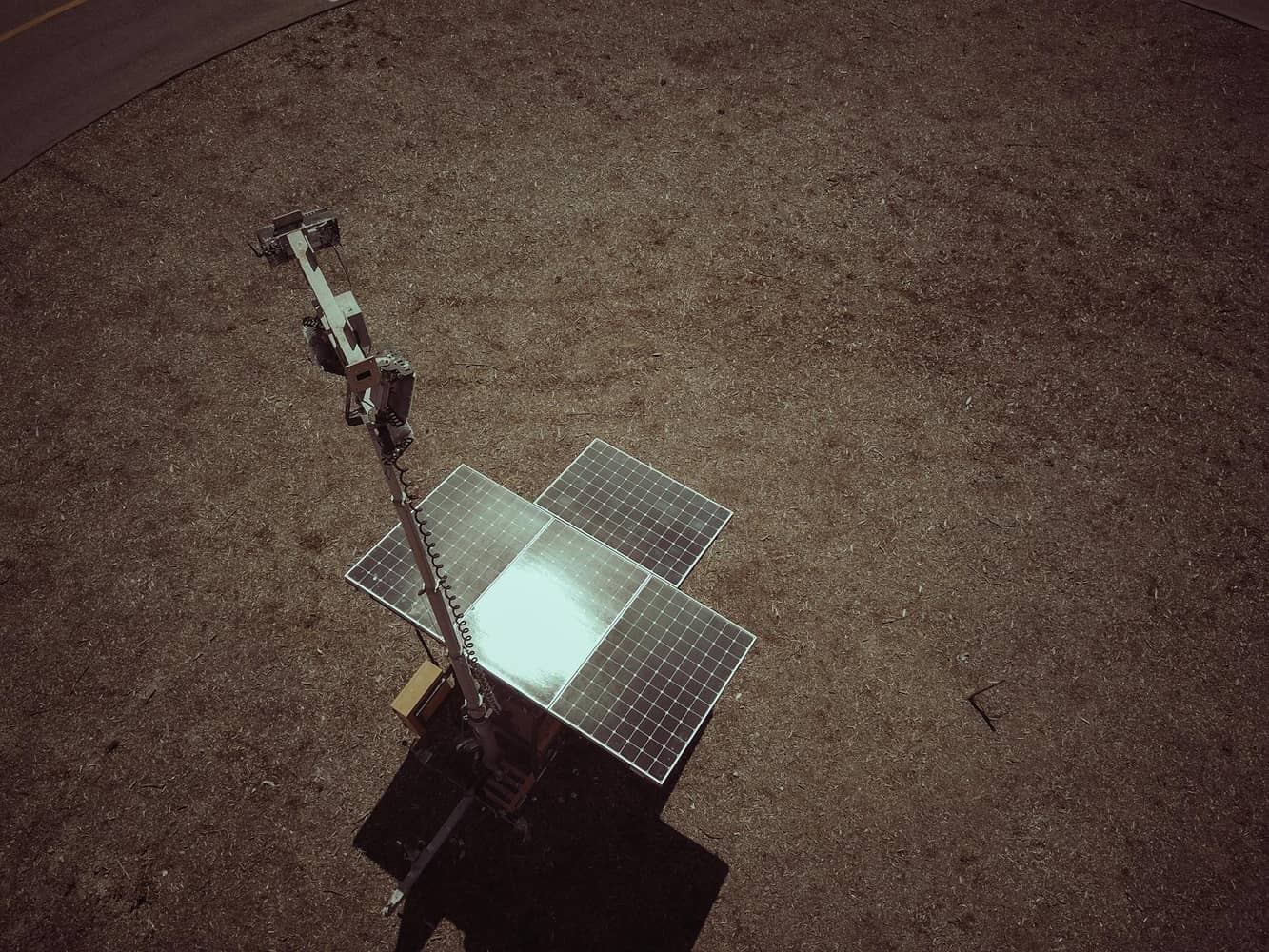
The Growing Importance of Solar Energy
Solar energy is rapidly becoming a cornerstone of sustainable energy strategies worldwide. With increasing demand for cleaner energy sources, solar panels are more critical than ever in reducing carbon footprints and generating electricity sustainably.
However, maximizing the efficiency of solar panels remains a challenge, influenced by factors such as weather conditions, panel orientation, and maintenance.
AI: A Game-Changer in Solar Energy Optimization
Artificial Intelligence (AI) offers promising solutions for optimizing the performance of solar panels. By leveraging advanced algorithms, AI can analyze vast amounts of data in real time to make informed decisions that enhance energy output. This capability is especially valuable for energy companies looking to increase efficiency and reduce costs.
How AI Algorithms Work in Solar Energy
AI algorithms are designed to process large datasets collected from solar panels, weather forecasts, and historical performance metrics. They apply machine learning techniques to identify patterns and predict future performance, enabling proactive adjustments to panel configurations or alerting maintenance teams to potential issues before they escalate.
For instance, AI systems can monitor weather patterns and adjust the angle of solar panels accordingly to maximize sun exposure throughout the day. These adjustments are often made using automated systems powered by AI-driven insights, thus ensuring optimal performance without manual intervention.
Case Study: A Leading Energy Company's Success Story
A prominent energy company has integrated AI algorithms into its solar panel operations with remarkable success. By using a combination of machine learning and predictive analytics, the company was able to increase the efficiency of its solar farms by up to 20%. This improvement translated to significant cost savings and increased energy output.
The workflow begins with data collection from sensors installed on each solar panel. These sensors gather information on temperature, sunlight intensity, and panel output. This data feeds into a centralized AI system that processes it in real-time to optimize panel orientation and maintenance schedules.
AI-Driven Predictive Maintenance
One of the key benefits of AI in solar energy is its ability to anticipate maintenance needs. Predictive maintenance uses AI algorithms to analyze performance data and predict when a panel or component is likely to fail or degrade. This allows the company to schedule maintenance proactively, reducing downtime and maintaining consistent energy production levels.
- Reduced Maintenance Costs: By predicting failures before they occur, the company minimizes repair costs and avoids unscheduled downtimes.
- Increased Panel Lifespan: Regular, informed maintenance prolongs the lifespan of panels, maximizing return on investment.
The Impact on Cost Reduction
The integration of AI has not only increased the efficiency of solar panels but also resulted in substantial cost savings. The reduction in downtime and maintenance costs alone offered a return on investment within just two years of implementing the AI system. Additionally, enhanced energy output per panel means the company requires fewer panels to meet its energy goals, further reducing costs related to infrastructure and land use.
Challenges and Considerations
Despite its benefits, implementing AI in solar energy optimization does come with challenges. Initial setup costs can be high, requiring investment in both technology and training personnel to manage and interpret AI-generated insights. Additionally, maintaining data quality is crucial; inaccurate data can lead to erroneous predictions and suboptimal performance adjustments.
However, these challenges are mitigated by the long-term benefits of reduced operational costs and improved efficiency, making AI an increasingly attractive option for energy companies globally.
Future Outlook
The future of AI in solar energy looks promising, with advancements in technology continually enhancing algorithm accuracy and decision-making capabilities. As AI technologies become more accessible and cost-effective, even smaller energy companies can leverage these tools to optimize their operations.
Moreover, ongoing research into integrating other cutting-edge technologies such as IoT (Internet of Things) devices promises even greater enhancements in monitoring and managing solar panel efficiency.
Conclusion
The use of AI in optimizing solar panel efficiency is transforming how energy companies approach renewable energy production. Through intelligent analysis and real-time decision-making, AI not only boosts energy output but also significantly reduces operational costs. While challenges exist, the overall impact is undeniably beneficial, paving the way for more sustainable and efficient solar energy solutions worldwide.